Thai vs Balinese Massage: Which Is Right for You?
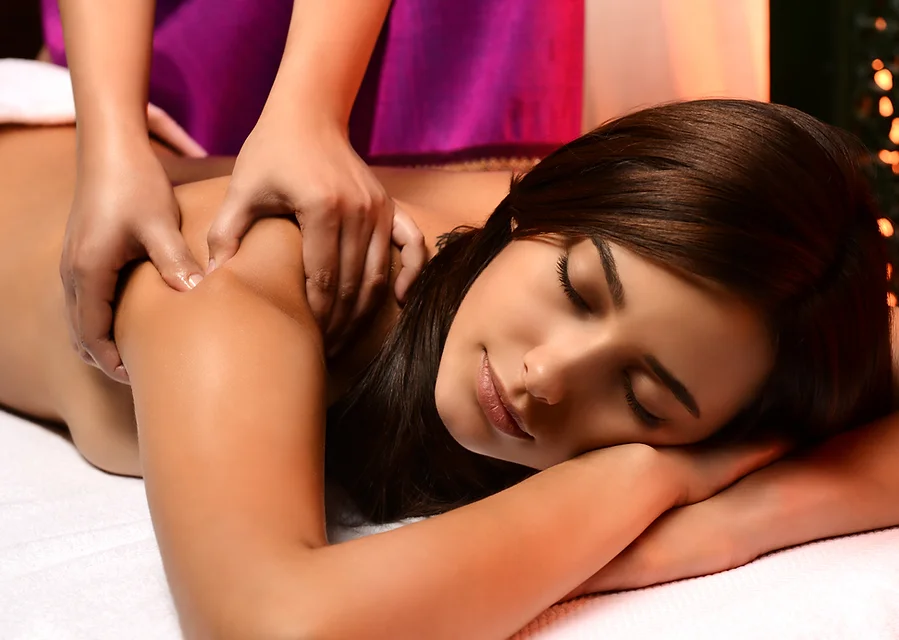
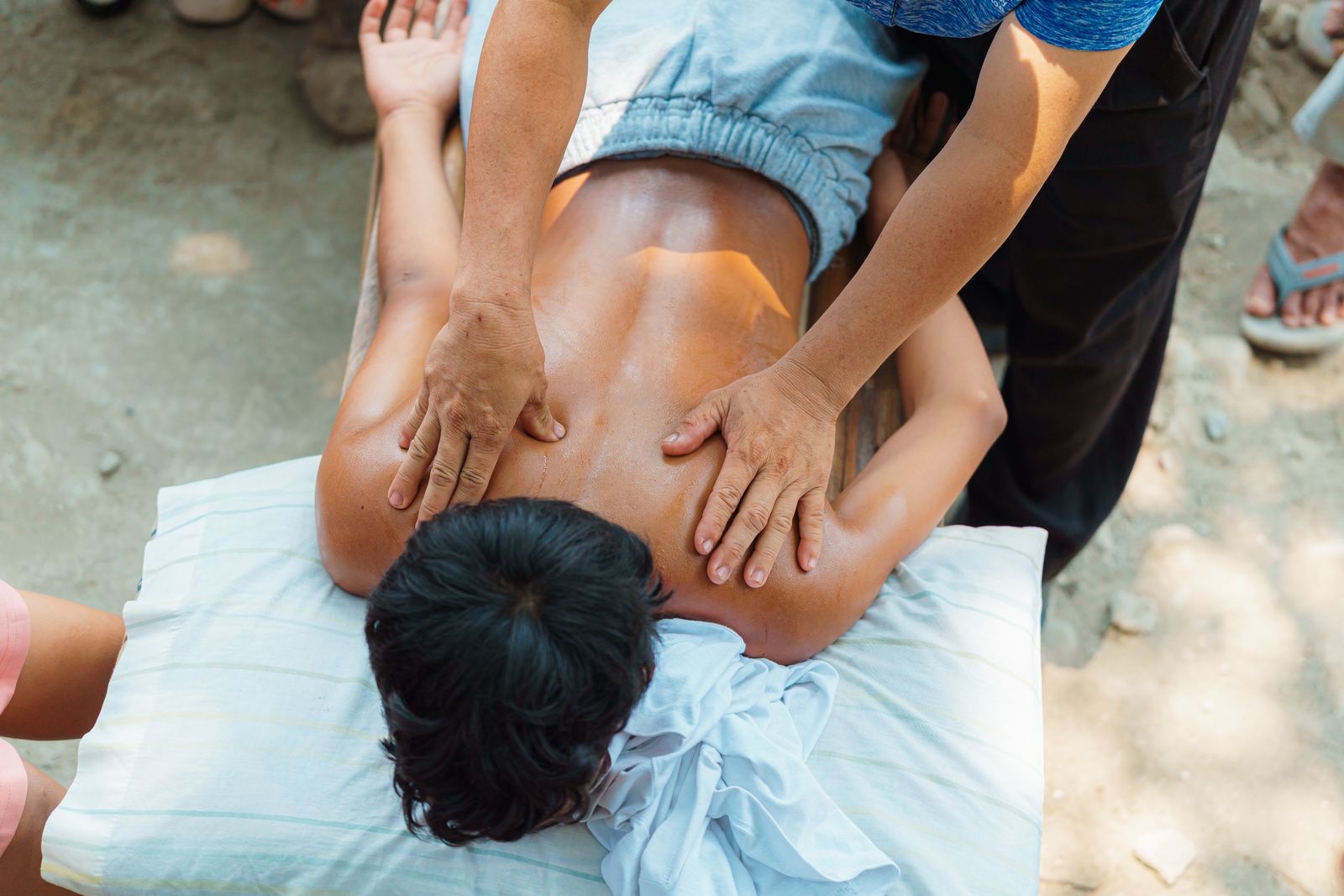
The short answer: Thai massage is firmer, performed clothed and without oils, and emphasizes assisted-stretching along energy lines — it’s therapeutic and structural. Balinese massage is softer, performed with warm aromatic oils on bare skin, and emphasizes flowing strokes plus acupressure — it’s relaxing and skin-conditioning. Both are excellent; they serve different goals.
This page is for guests choosing between the two. If you already know you want Thai, drill down into the Thai massage in Beirut deep-dive. If you already know Balinese, see the Balinese massage in Lebanon guide. If you’re choosing, read on.
Side-by-side comparison
| Element | Thai | Balinese |
|---|---|---|
| Origin | Thailand (rooted in Buddhist + Indian-Ayurvedic influence) | Indonesia, specifically Bali (Hindu-Balinese influence) |
| Pressure | Medium to deep | Light to medium |
| Technique | Acupressure on sen energy lines, assisted yoga-like stretching, palm and elbow pressure | Long flowing strokes, skin rolling, acupressure on key points |
| Oils | No oils (sometimes minimal) | Warm aromatic oils throughout |
| Clothing | Clothed (loose, provided) | Bare or minimal coverage |
| Surface | Mat on the floor or padded table | Padded massage table |
| Sensation | Firm, sometimes intense; stretching can feel like a yoga class with assistance | Soothing, warm, slippery, deeply relaxing |
| Best for | Tight hips, limited flexibility, chronic muscle tightness, post-athletic recovery | Pure relaxation, sleep support, skin conditioning, first-time spa visits |
| Length | 60–90 minutes (90 is the sweet spot) | 60–90 minutes (60 is sufficient for relaxation) |
| Aftermath | Energized, lighter, more mobile | Drowsy, deeply relaxed, often want to nap |
When Thai is the right pick
- You sit at a desk all day and your hips, lower back, and hamstrings are perpetually tight.
- You’re an athlete or runner and you want post-workout recovery without a deep-tissue grind.
- You like yoga and would enjoy being moved through stretches that you can’t reach on your own.
- Your stress shows up as physical tightness rather than mental noise.
- You don’t want to undress fully or deal with oils on your hair and clothes.
When Balinese is the right pick
- This is your first luxury spa visit and you want something pleasant, not therapeutic.
- You want to sleep deeply afterwards — Balinese is one of the most reliable sleep-support modalities.
- Your skin is dry or you want a treatment that conditions the skin alongside the muscle work.
- You enjoy aromatherapy and the sensory experience matters as much as the physical work.
- You want a “classic” spa massage that fits everyone’s mental picture of “massage.”
When neither is the right pick — and what to book instead
If your goal is deep, targeted knot release on a specific spot, book deep tissue or hot stone massage instead — Thai is firm but not focal, and Balinese is too gentle.
If your tension is specifically in your head, scalp, jaw, or temples, book Shirodara head massage — neither Thai nor Balinese targets that area meaningfully.
If you have post-flight swelling or water retention, book lymphatic drainage — both Thai and Balinese are wrong for this.
If you’re pregnant, book the Pregnancy massage — neither Thai nor Balinese is appropriate.
If you genuinely can’t decide between Thai and Balinese, book the Kimantra Fusion Massage — it blends both traditions (plus five others) in a single 90–120-minute session, with the therapist adapting to your body as the session progresses.
What guests typically book first
In our experience at Kimantra:
- First-time spa visitors: Balinese (lower-risk pick, almost no one finds it too intense)
- Returning clients with a specific physical complaint: Thai (delivers more measurable mobility gains)
- Couples on date nights: Balinese (oils + warmth fit the mood better)
- Athletes and gym-goers: Thai (the stretching is the differentiator)
- Tourists with one spa visit on the itinerary: split roughly 50/50, but Moroccan hammam often wins both because it’s the most culturally distinctive option
Common misconceptions
“Thai massage is painful.” Firm, yes; painful, no. A skilled therapist works at the edge of your comfort, not past it. If it hurts in a sharp or stabbing way, speak up — you should adjust pressure.
“Balinese massage is just fluff — not real bodywork.” False. The acupressure component in authentic Balinese tradition is structural, not just soothing. It’s gentler than Thai but it isn’t a “facial for the body.”
“Thai is too active to be relaxing.” Many guests find the assisted-stretching meditative — there’s nothing for you to do, you simply move with the therapist. Plenty of guests fall asleep mid-Thai-session.
“Balinese is better for women, Thai is better for men.” This is folklore and not accurate. Modality choice should follow goal, not gender.
FAQ
How long does each session last? Both are typically 60 or 90 minutes. For Thai, 90 is the sweet spot — 60 doesn’t leave enough time for the full stretching sequence. For Balinese, 60 is sufficient.
Can I switch mid-session? Yes, tell your therapist if the pressure is wrong or you’d like more or less stretching/strokes. The therapist will adapt.
Will Thai massage make me sore? Sometimes — mild next-day soreness is normal after a deep Thai session, similar to a moderate workout. Hydrate well.
Will Balinese massage stain my clothes? Oils are absorbed by the skin within an hour or so, but plan to shower before re-dressing in light-colored clothing.
Can I do both? Not in one session, but many guests rotate — Thai for the structural visit, Balinese for the relaxation visit, alternating across a month.
Are there contraindications? Same general list as other deep-tissue work: pregnancy (book the prenatal modality instead), recent surgery, deep-vein concerns, very high blood pressure without medical clearance.
Related reading at Kimantra Spa
- Thai massage in Beirut: deep dive — once you’ve chosen Thai, this is the page that goes deeper.
- Balinese massage in Lebanon: deep dive — once you’ve chosen Balinese, this is the page that goes deeper.
- How to choose the right massage — broader decision guide across all 12 Kimantra modalities.
- Kimantra Fusion signature treatment — when you want both, blended, in one session.
- Top 12 spa treatments in Lebanon — broader treatment ranking with both modalities and the alternatives.
- Stress relief massage pillar — if stress relief is your goal, the modality matters less than the framing.
Book your Thai or Balinese massage at Kimantra
If you’ve decided, book online at kimantraspas.com/appointment or call 04-546654 (Dbayeh) or 03-546654 (Beirut). If you’re still uncertain, mention “Thai or Balinese — not sure” when booking and our team will help you pick during the pre-treatment conversation.
View all treatments | About Kimantra Spa | Contact us

Written by
Marie Hashem
Marie Christine Hachem is a certified massage therapist with professional training in Chiang Mai, Thailand, and further studies in India and Bali, where she explored traditional therapies and healing methods.In 2010, she founded Kimantra Spa to bring globally inspired wellness traditions to Lebanon. Today, she personally trains and mentors therapists, with a strong focus on continuous education, attention to detail, and excellence in massage techniques.
View all posts →Related Posts
Express Spa Treatments Lebanon: Quick Sessions for Busy Lives What Is a Fusion Massage? How the Kimantra Fusion Massage Works Anniversary Spa Treatment Beirut: Celebrate Your Milestone in LuxuryContact Us
For more information, bookings, or inquiries, reach out to us directly: